


Hey there, fellow bakers and baking enthusiasts! I'm super stoked to be here today to chat about one of the most common questions I get as a supplier of the 9 X 5 in Loaf Tin – “How much dough is needed for a 9 X 5 in loaf tin?” It's a question that's been on the minds of many bakers, from beginners just starting to experiment in the kitchen to seasoned pros looking for that perfect loaf every time.

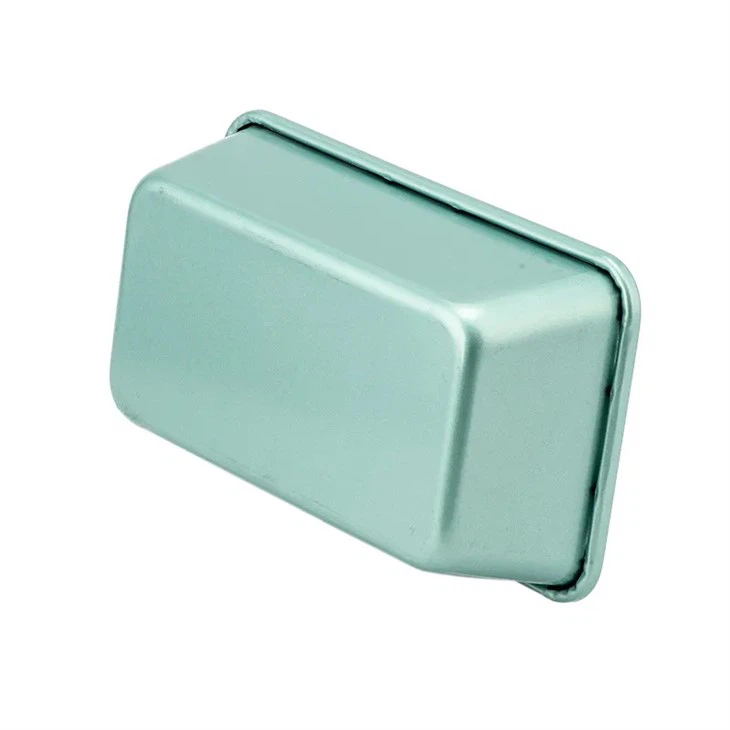
First things first, let's talk about the 9 X 5 in loaf tin itself. This is a classic size in the baking world, and it's a staple in many home kitchens and professional bakeries alike. It's versatile, allowing you to bake all sorts of delicious treats, from traditional bread loaves to quick breads like banana bread, zucchini bread, and even meatloaves. The dimensions of 9 inches in length, 5 inches in width, and usually around 2.5 to 3 inches in depth give you a good amount of space to work with, but it also means you need to get the right amount of dough to fill it properly.
So, how much dough do you actually need? Well, it depends on a few factors. The type of dough you're using is a big one. Different types of dough have different densities and expansion rates. For example, a lean dough, like a basic white bread dough made with just flour, water, yeast, and salt, will be less dense and will expand more during the baking process. On the other hand, a rich dough, like a brioche dough that contains a lot of butter and eggs, will be denser and won't expand as much.
Let's start with the lean dough. For a basic white bread dough, you'll typically want to fill the 9 X 5 in loaf tin about two-thirds full. This allows the dough to rise and expand during the baking process without overflowing the tin. A good rule of thumb is to use around 1.5 to 2 pounds of dough. That might seem like a lot, but remember, the dough will rise and fill out the tin as it bakes. If you're using a scale to measure your dough, that's about 680 to 907 grams.
Now, if you're making a rich dough, like a brioche or a challah, you can fill the tin a bit more. Since these doughs are denser and don't expand as much, you can fill the tin about three-quarters full. You'll still want to use around 1.5 to 2 pounds of dough, but it will pack into the tin more tightly. This will give you a nice, thick loaf with a rich, buttery flavor.
Another factor to consider is the shape of the dough. If you're shaping your dough into a tight loaf before placing it in the tin, it will take up less space initially. But as it rises, it will expand and fill out the tin. On the other hand, if you're just dumping the dough into the tin and letting it rise in there, it will spread out more and might not rise as tall. So, it's important to shape your dough properly to get the best results.
Let's say you're making a batch of cinnamon rolls and you want to use the 9 X 5 in loaf tin. You'll need to adjust the amount of dough based on how you're layering the cinnamon rolls. If you're stacking them on top of each other, you'll need less dough than if you're spreading them out in a single layer. A good starting point is to use about 1 pound of dough for a single layer of cinnamon rolls, and then adjust as needed based on how many layers you want to make.
Now, I know what you're thinking. “How do I know if I've used the right amount of dough?” Well, there are a few ways to tell. First, look at the dough in the tin before it goes into the oven. It should be about two-thirds to three-quarters full, depending on the type of dough. If it's too full, it will overflow during baking. If it's too empty, the loaf will be flat and won't have much volume.
Another way to tell is to look at the dough as it rises. If it's rising properly and filling out the tin, that's a good sign. If it's not rising at all or if it's rising too much and overflowing the tin, you might need to adjust the amount of dough next time.
I also want to mention that the 9 X 5 in loaf tin isn't the only baking pan you can use. If you're looking for something different, you might consider the 10 X 15 in Cookie Sheet Pan or the 8in Square Cake Pan. These pans have different dimensions and capacities, so you'll need to adjust the amount of dough accordingly.
The 10 X 15 in cookie sheet pan is great for making sheet cakes, cookies, and even some types of bread. Since it's larger and shallower than the 9 X 5 in loaf tin, you'll need more dough to cover the surface area. For a sheet cake, you might need around 2 to 3 pounds of cake batter, depending on how thick you want the cake to be.
The 8in square cake pan is smaller and deeper than the 9 X 5 in loaf tin. You'll need less dough for this pan, but you'll also get a taller cake. For a standard cake, you might need around 1 to 1.5 pounds of cake batter.
So, there you have it! That's how much dough you need for a 9 X 5 in loaf tin. Remember, it's all about finding the right balance between the amount of dough and the type of dough you're using. With a little practice and experimentation, you'll be able to make the perfect loaf every time.
If you're interested in purchasing our high-quality 9 X 5 in Loaf Tin, or any of our other baking pans, we'd love to hear from you. Whether you're a home baker or a professional in the industry, we have the products you need to take your baking to the next level. Just reach out to us to start a conversation about your purchasing needs. We're here to help you find the perfect bakeware for your kitchen.
References
- Professional Baking textbooks
- Personal baking experience and experimentation